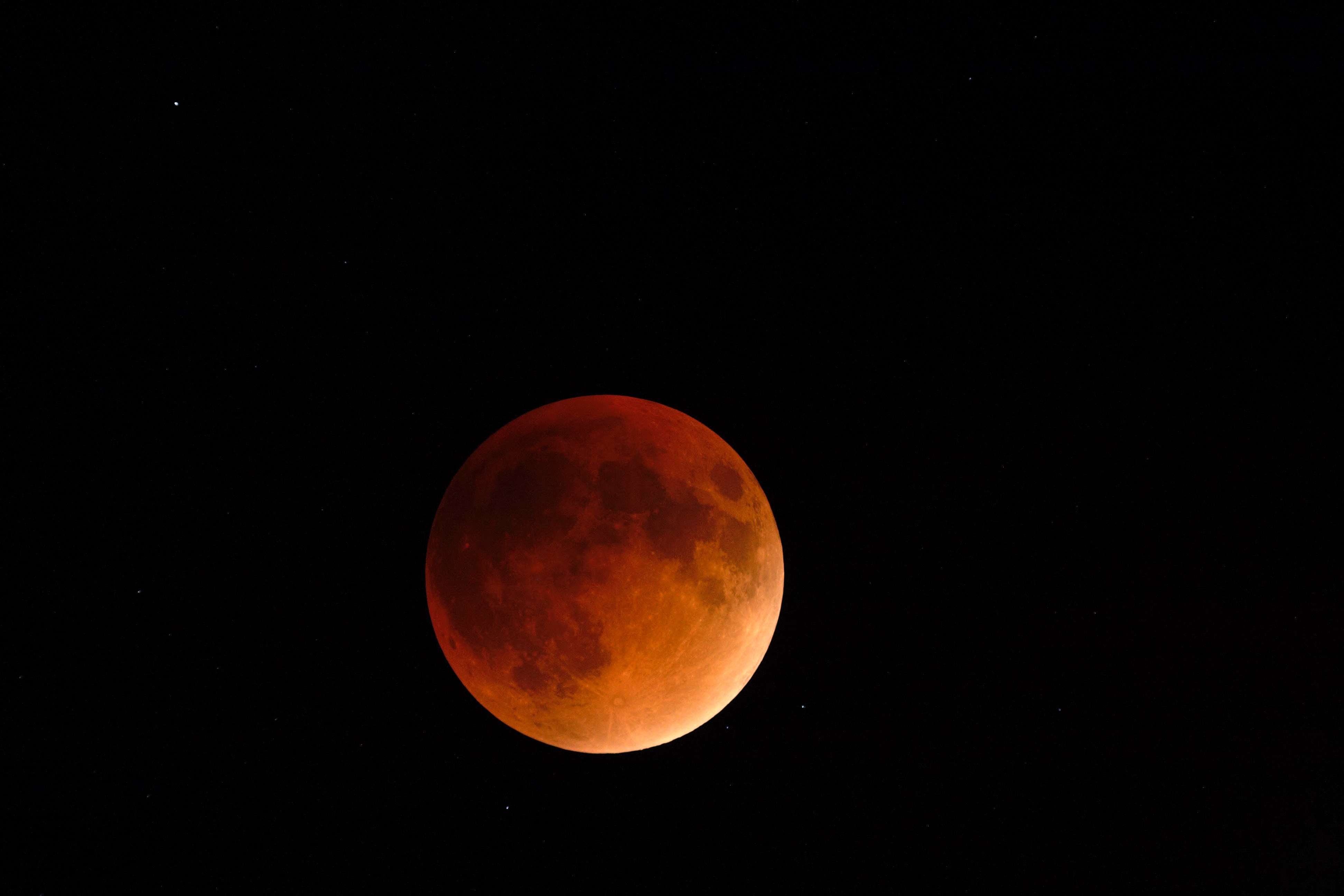
September 27th 2015 – Lunar Eclipse

Image

Transferring over 300 photos (2.5GB) from the old astro-laptop via USB key to my main PC will take some time (30 minutes just to transfer 1.0GB on the key).  Therefore the work towards making a time lapse video will be tomorrow.

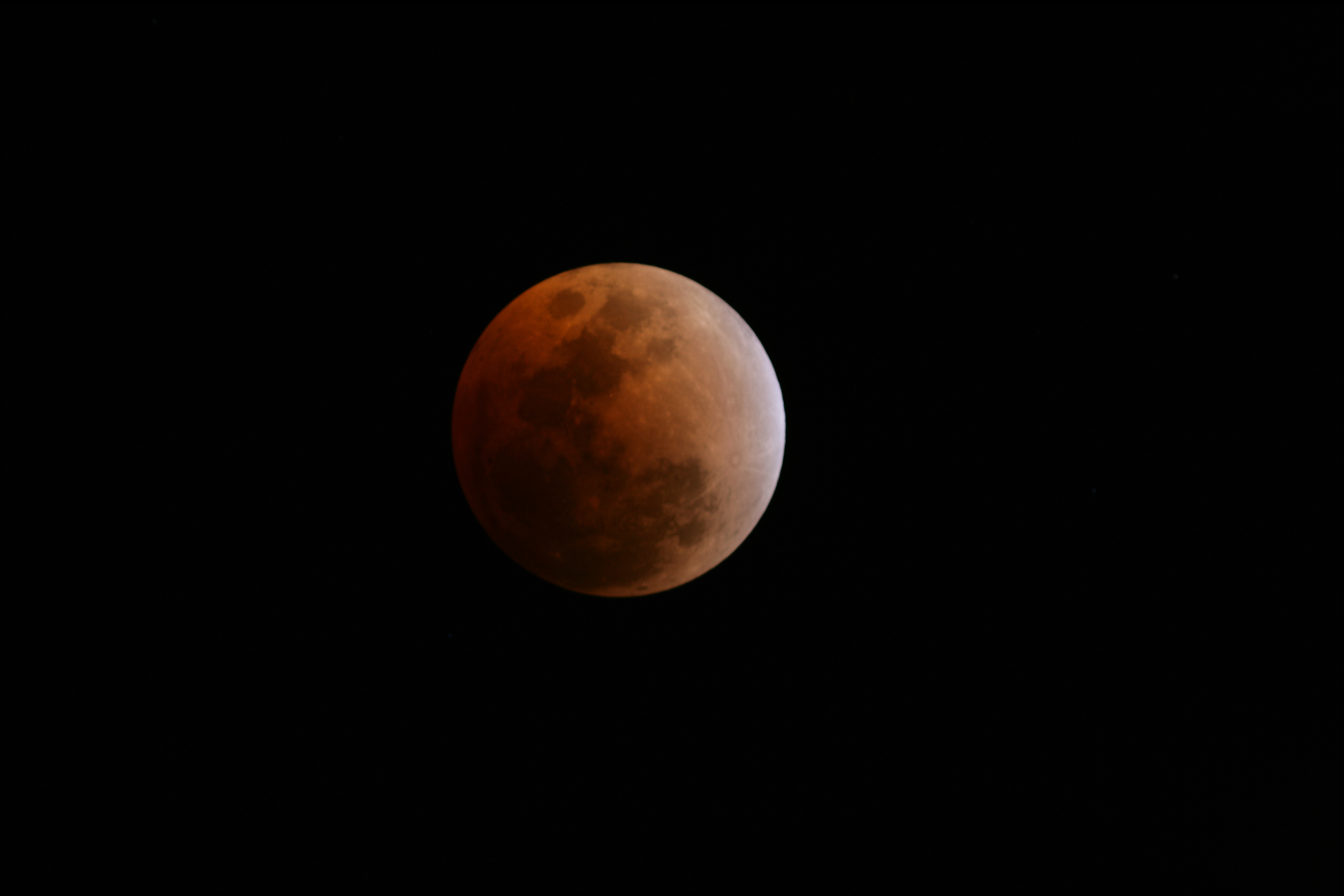
In the meantime here is one quick pick from the lot of photos taken with the Canon mounted on the telescope.  Did a quick stretch and level adjustment, just so I’d have something to show before going to bed.

September 27th 2015 Lunar Eclipse

September 27th 2015 Lunar Eclipse

Earth’s Shadow is Creeping Over the Moon

Image

Getting down to a crescent as Earth’s shadow creeps over the Moon.

image

Down to a crescent

Lunar Eclipse has Started

Image

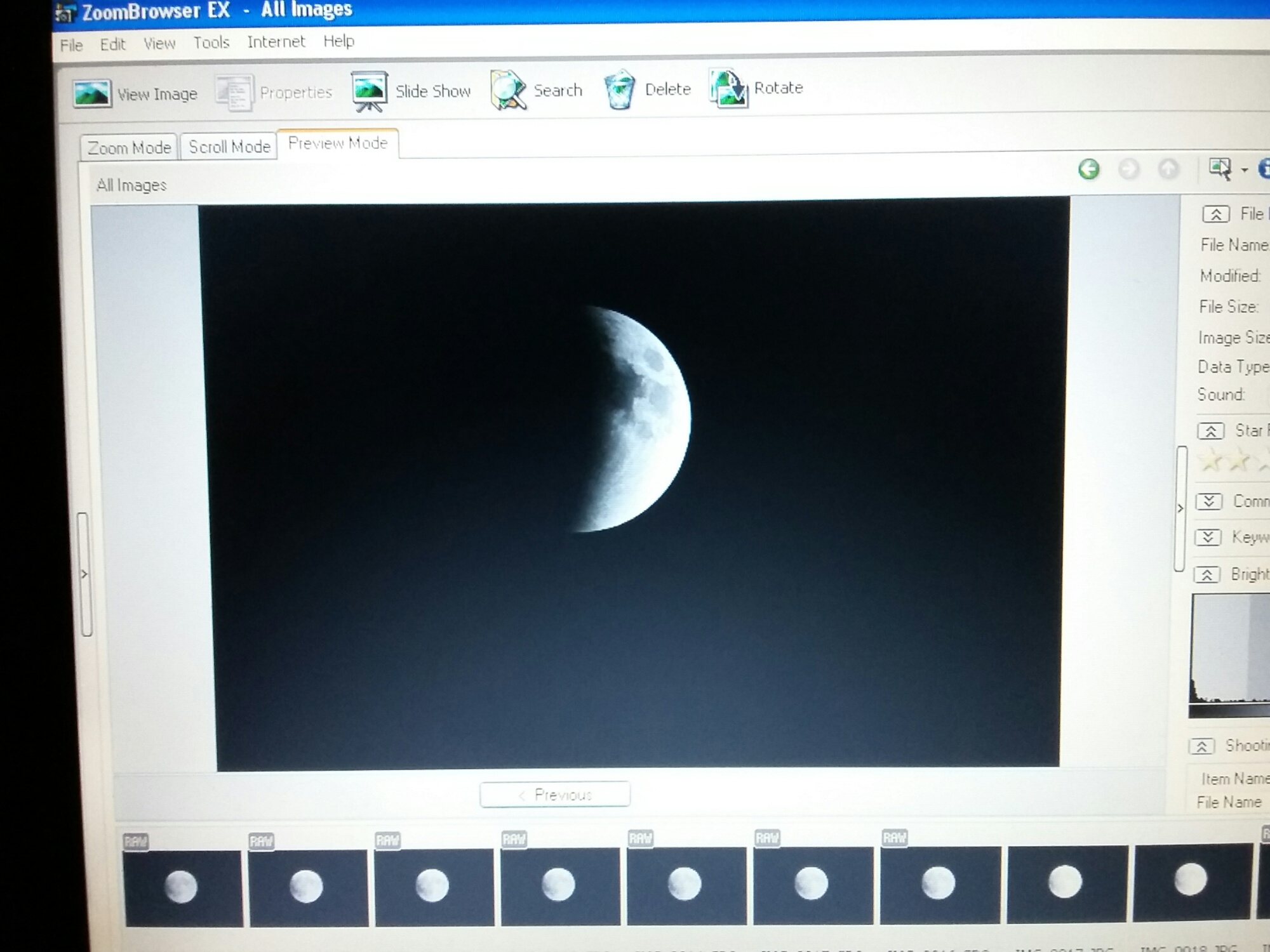
The trusty Skywatcher 80ED is on my Vixen GP mount and have the camera taking one frame every 20 secondes.

I’ll have to adjust the exposure as totality approaches. Below is a view off the computer screen.

image

Left edge already in the shadow

SuperMoon Lunar Eclipse This Sunday

Aside

I quick reminder of the SuperMoon lunar eclipse this Sunday.  The next time that a lunar eclipse coincides with the Moon’s closest approach will be 2033.  So recharge your camera and get your tripod out of the closet to record the event.

CBC News has provided the viewing times for different parts of Canada.

http://www.cbc.ca/news/technology/look-up-sunday-night-supermoon-plus-total-lunar-eclipse-equals-rare-sky-show-1.3241767


Comet C/2013 US10 (Catalina) Continues To Be Visible

Comet C/2013 US10 (Catalina) continues to be visible at around magnitude 6 to observers in the southern hemisphere.  For people north of the equator, we’ll have to wait until late November when it will become an early morning comet.

One date to mark on your calendar is the morning of December 7th.  A wonderful early morning opportunity to spot C/2013 US10 next to Venus and a Lunar crescent all within a 6 deg window.  This will be fairly low (20 deg) over the South-East horizon.

Comet C/2013 US10 Catalina, Venus and the Moon

Comet C/2013 US10 Catalina, Venus and the Moon

Under dark skies it should be observable to the naked eye.  But binoculars or even a camera zoom lens will provide for better observation.

September 27th 2015 – Don’t Miss it: Superbloodmoon

A total lunar eclipse is sometimes referred as a Blood Moon due to the reddish-brown hue the Moon takes when passing in Earth’s shadow.  So why “Super“?  The Moon has an elliptical orbit around Earth, with the distance varying by 20,000km between the closest (perigee) and farther (apogee) approaches.  When there is a full Moon during its closest approach it’s called a Supermoon.  The result is a Moon that is 14% larger in area and 30% brighter than at apogee.

September 27th 2015 happens to be special because both events will take place at the same time: a total lunar eclipse at perigee.  Last time that happened was nearly 30 years ago!

Total Lunar Eclipse 20-Feb-2008 - Benoit Guertin

Total Lunar Eclipse
20-Feb-2008 – Benoit Guertin

Bright Comet C/2013 US10 (Catalina) – Visible to Northern Hemisphere end of November

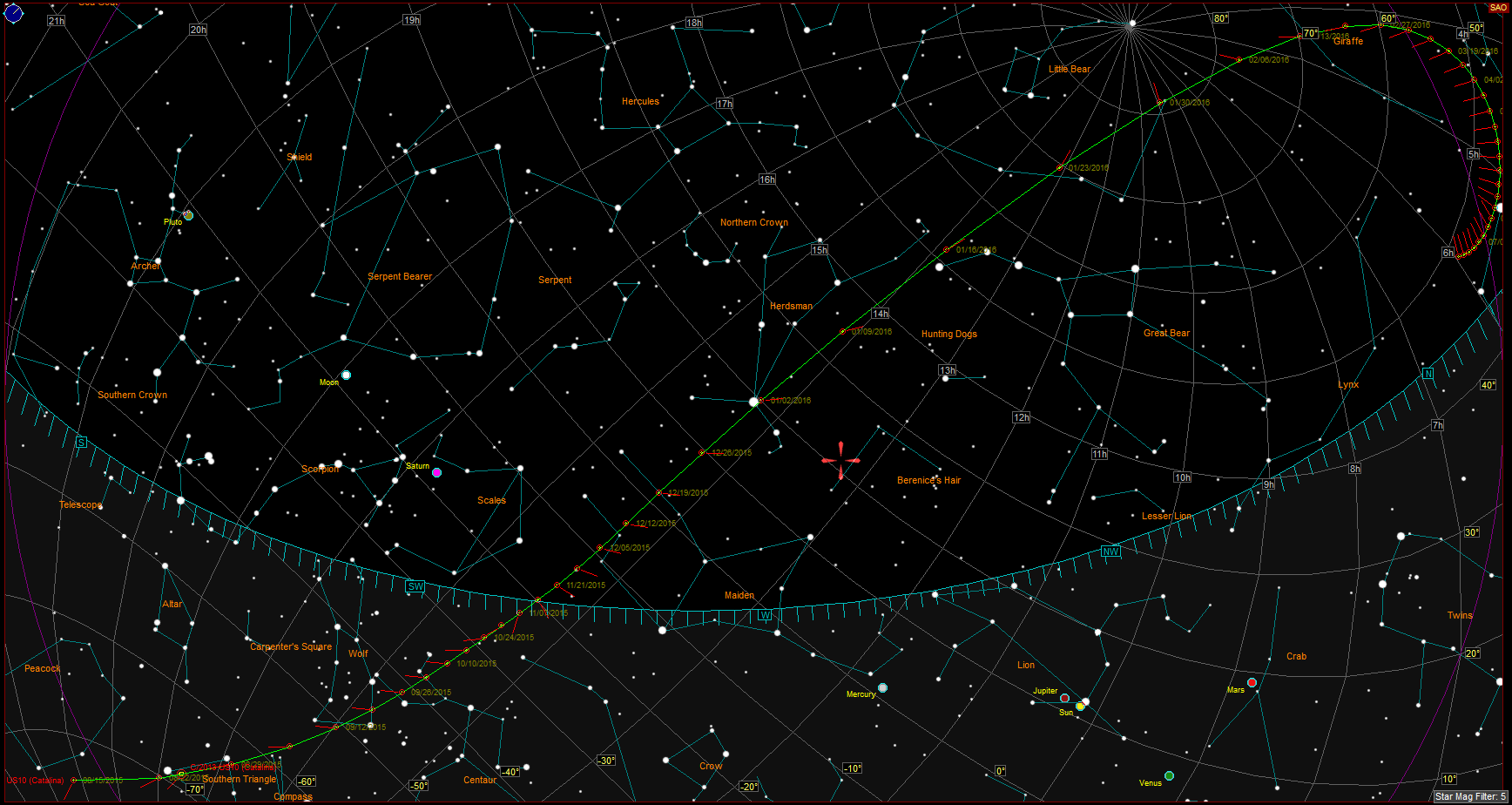
There’s a bright comet in the sky, currently at magnitude 6 and predicted to brighten to 5 by November. Not yet visible in the Northern Hemisphere, but just as it peaks in brightness towards the end of November, it will start showing up in the early morning sky, gradually rising earlier every day until late January 2016

Note that a good opportunity will be around January 2nd when it will pass within 1deg of magnitude 0 star Alpha Bootis – Arcturus.  Until then, people in the south keep enjoying it, I’ll just have to wait for the cold winter nights to get a peek at this comet.

Comet C/2013 US10 is not periodic, but comes from the distant Oort Cloud and this will be it’s only recorded passage by the Sun.   After spending millions of years slowly orbiting the outer solar reaches, it got disturbed, possibly by a nearby star and is now on an ejection trajectory; its velocity is such that it will be flung into interstellar space, away from the Sun’s influence until it’s picked up by another star.

Trajectory of Comet C/2013 US10 Catalina for 2015-2016

Trajectory of Comet C/2013 US10 Catalina for 2015-2016


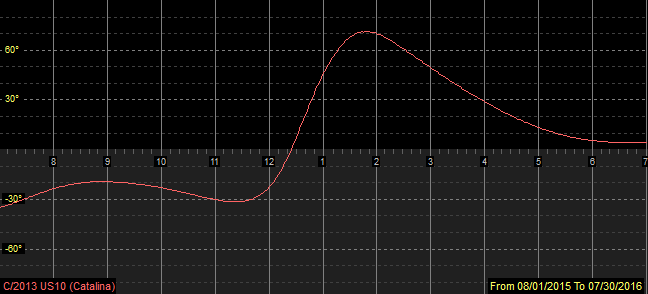
Visibility of Comet C/2013 US10 Catalina in the Evening
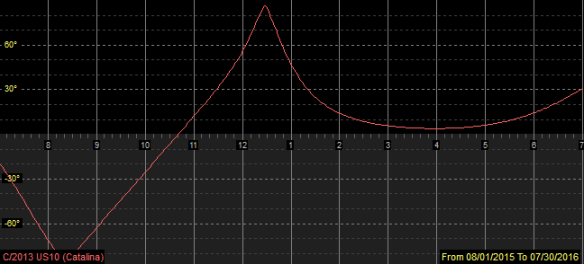
Visibility of Comet C/2013 US10 Catalina in the Evening

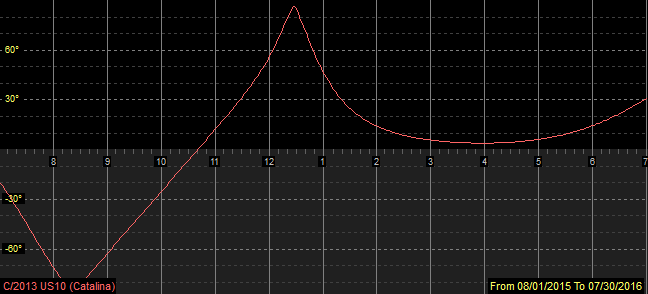
Visibility of Comet C/2013 US10 Catalina in the Early Morning
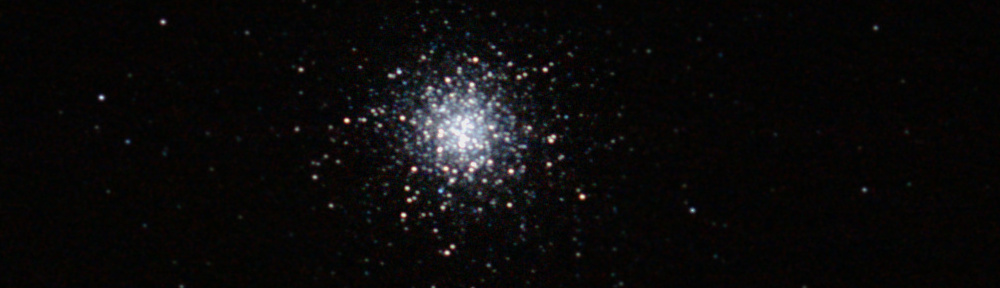
Visibility of Comet C/2013 US10 Catalina in the Early Morning
August 12th – No Perseids but did get some constellations

Image

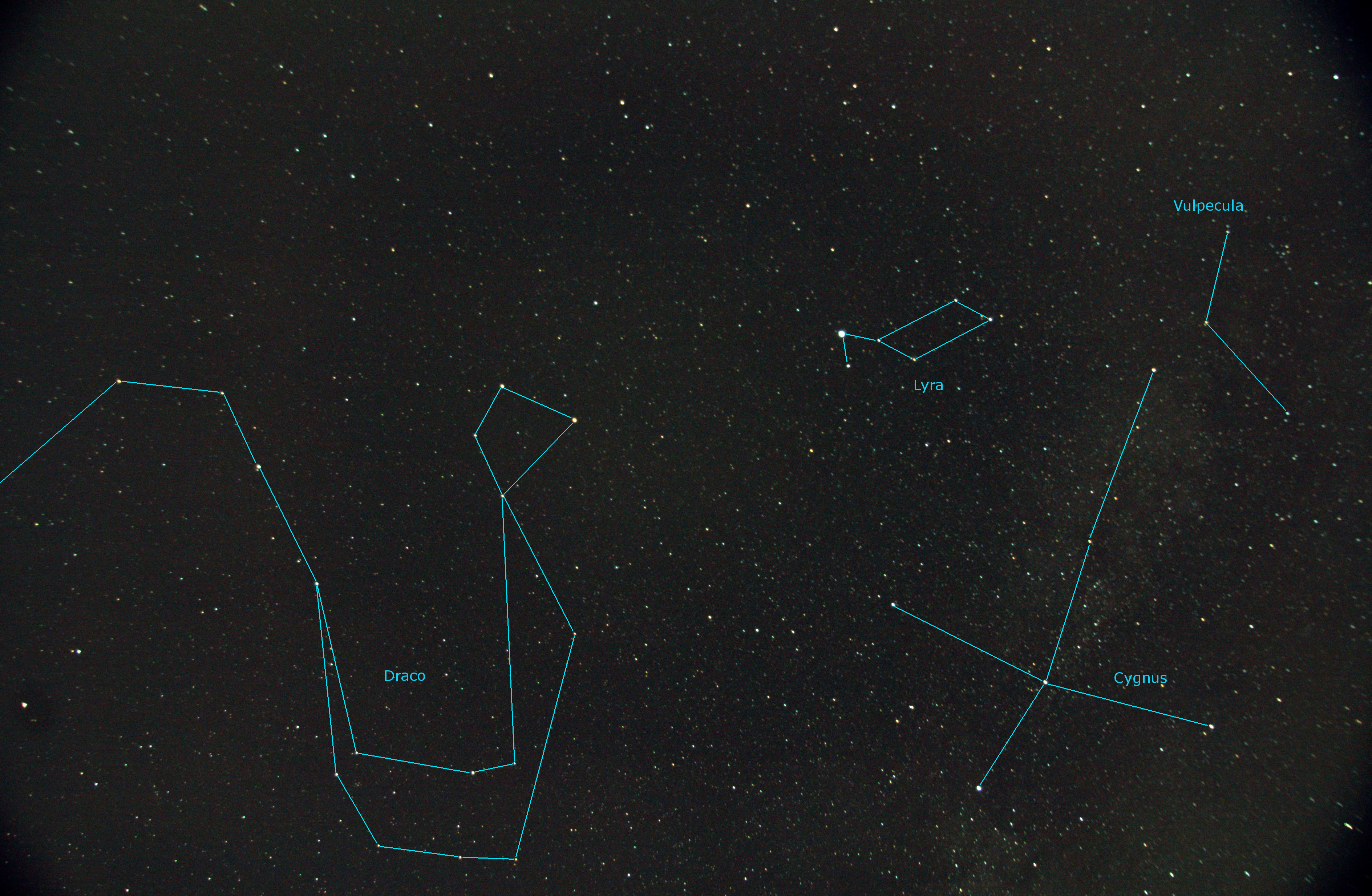
The 2015 Perseids were predicted to be great, largely thanks to Mother Nature turning off its night-light (aka our Moon).  Unfortunately the weather wasn’t as cooperative…  With clouds over the horizon I knew my window to try to capture some Perseids was quickly vanishing.  Nevertheless I setup my camera on a tripod and hoped for the best.

The best I got was 13 shots without clouds.  A quick scan of them did not reveal any notable meteor streak.  But it wasn’t all a waste.  I was able to process, align and stack them to provide a good 60deg field of view around the zenith.

Constellations Draco, Lyra, Cygnus and Vulpecula 13 x 30sec (17mm F4.0 ISO400) 12-aug-2015 Benoit Guertin

Constellations Draco, Lyra, Cygnus and Vulpecula
13 x 30sec (17mm F4.0 ISO400)
Benoit Guertin

Canon XTi
17mm F4.0 ISO400
13 x 30sec
Fixed mount, no tracking

Blue Moon – July 30

Status

Benoit Guertin's avatar

Tonight is a Blue Moon. Normally there are 12 full moon in a calendar year, but every 3 years or so there are 13.  That extra full moon is called a Blue Moon, and it’s normally give to the 2nd full moon in a calendar month.

It’s a “rare” event, hence the saying “Once in a Blue Moon”.

June 30th – Venus and Jupiter Less Than 1deg Apart

Status

Benoit Guertin's avatar

Tonight, June 30th, right after sunset and before it’s fully dark if you look West you’ll see Venus and Jupiter less than a degree apart in the sky.  And with either binoculars or a small telescope you’ll be able to observe Venus as a crescent, and the moons of Jupiter.